Explore Sant Pau at your own pace
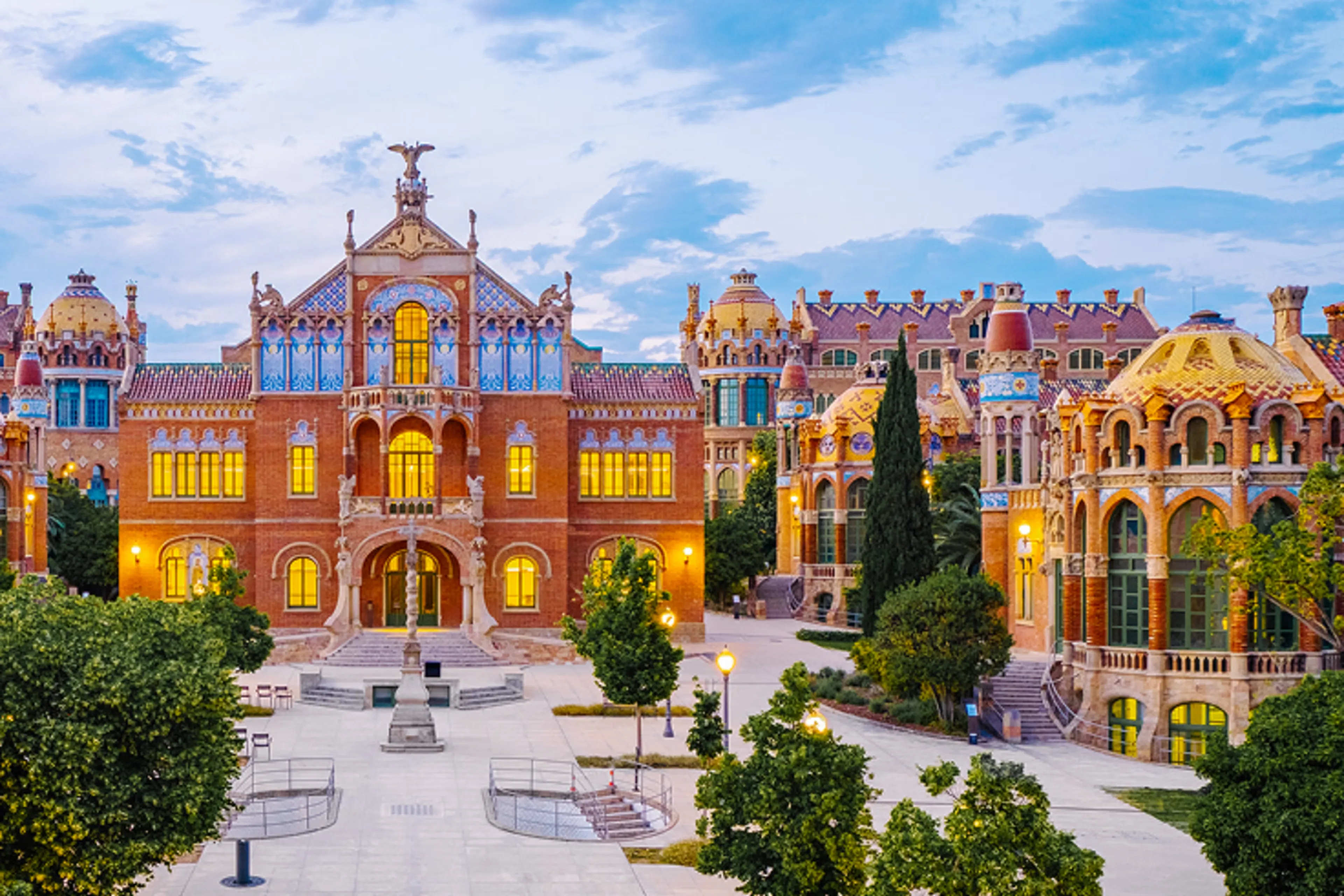
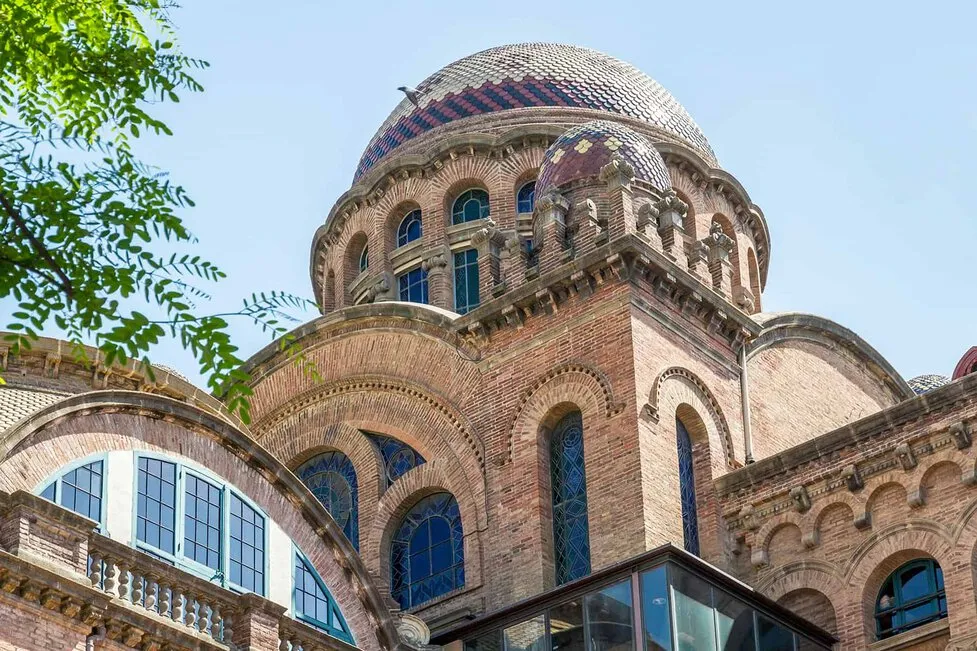
Just a short walk from the Sagrada Família, the Sant Pau Art Nouveau Site feels like an entire architectural city within the city.
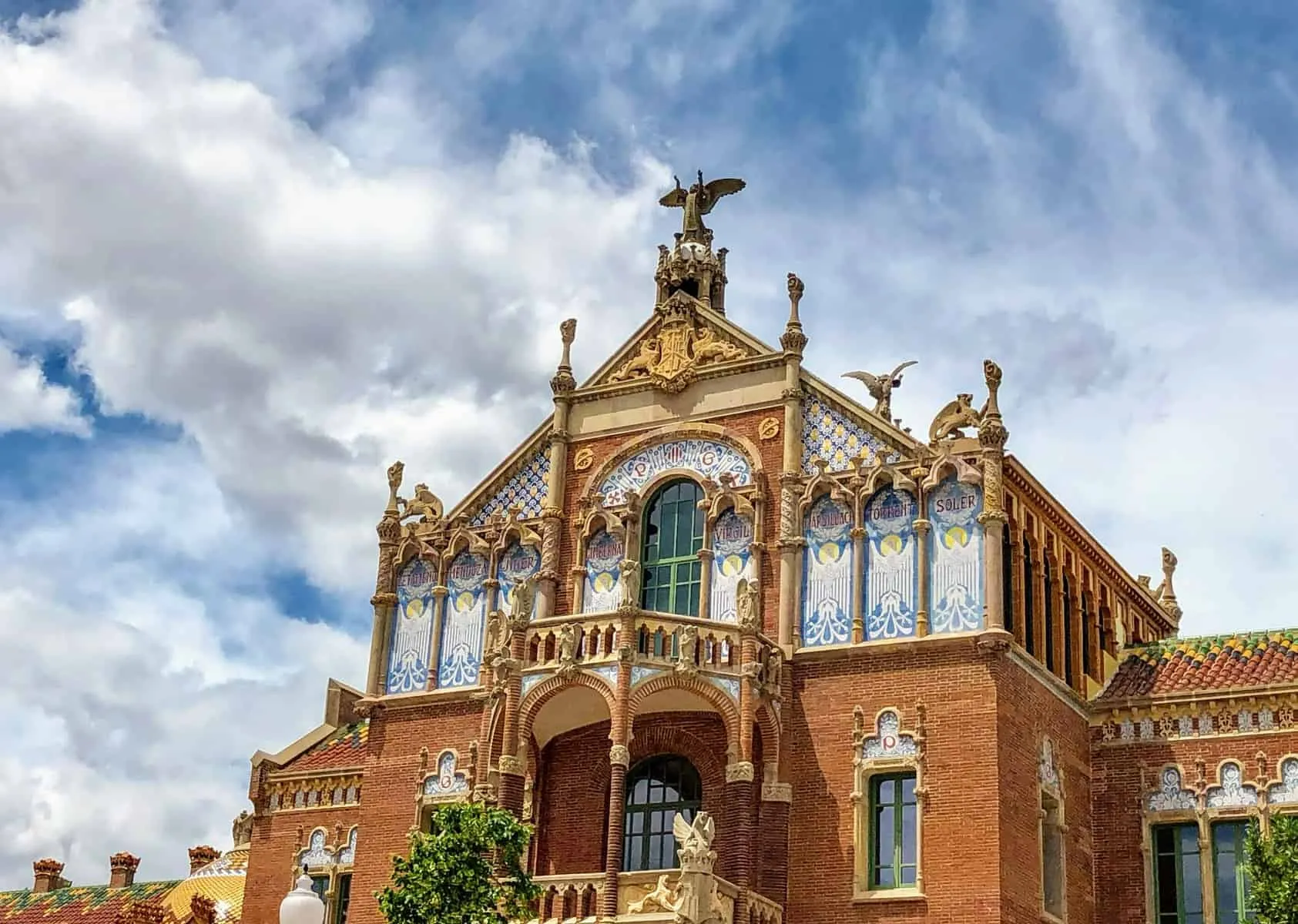
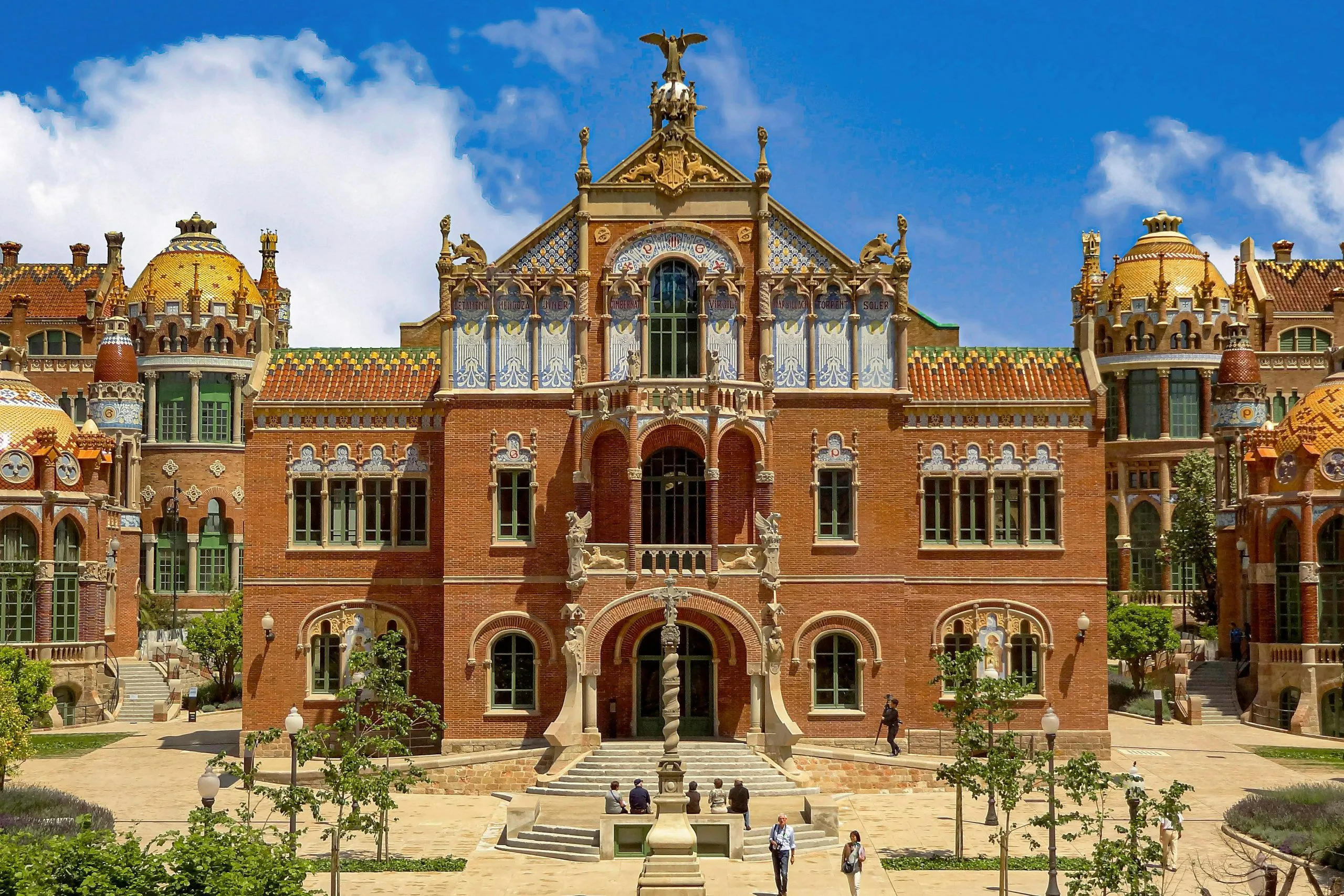
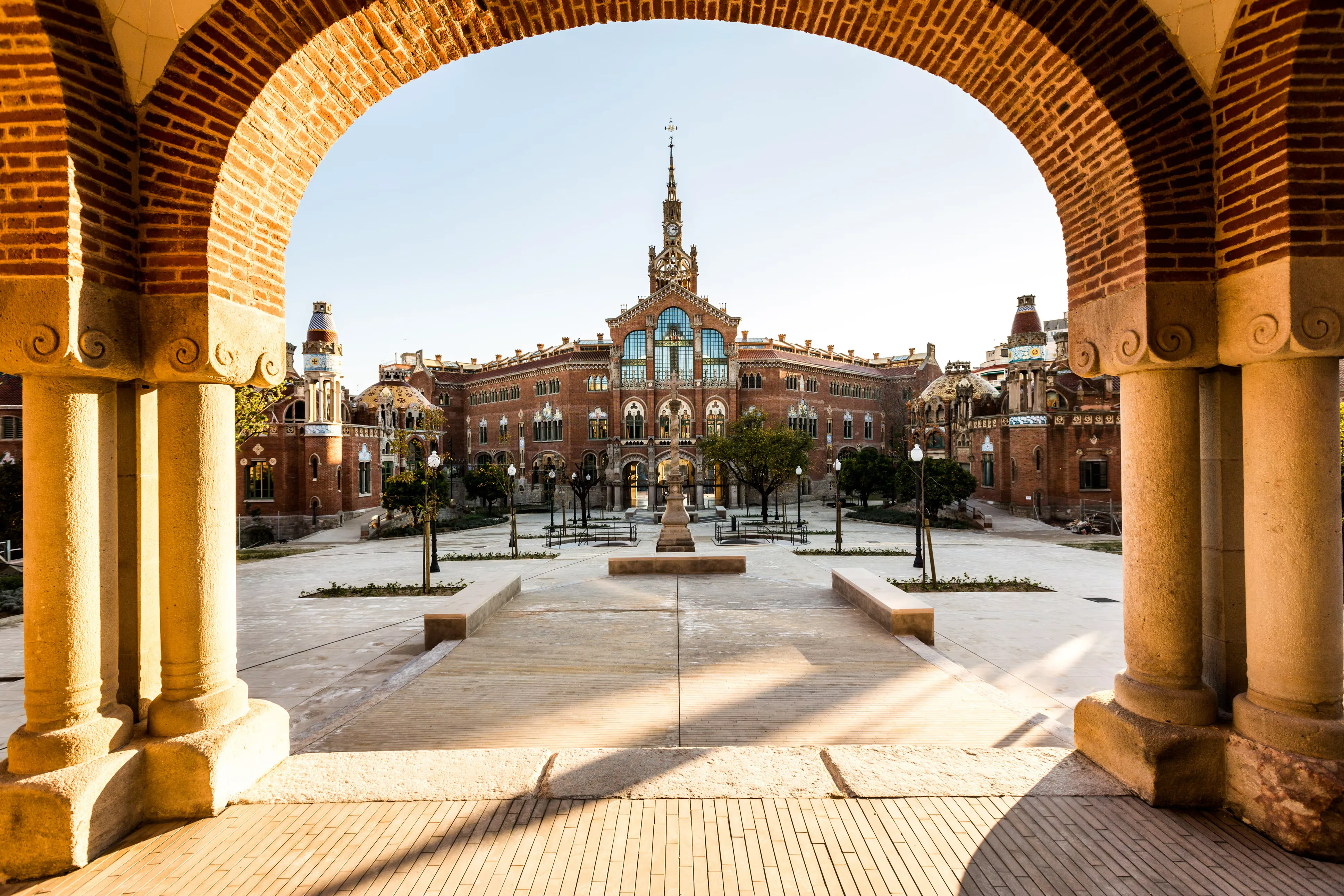
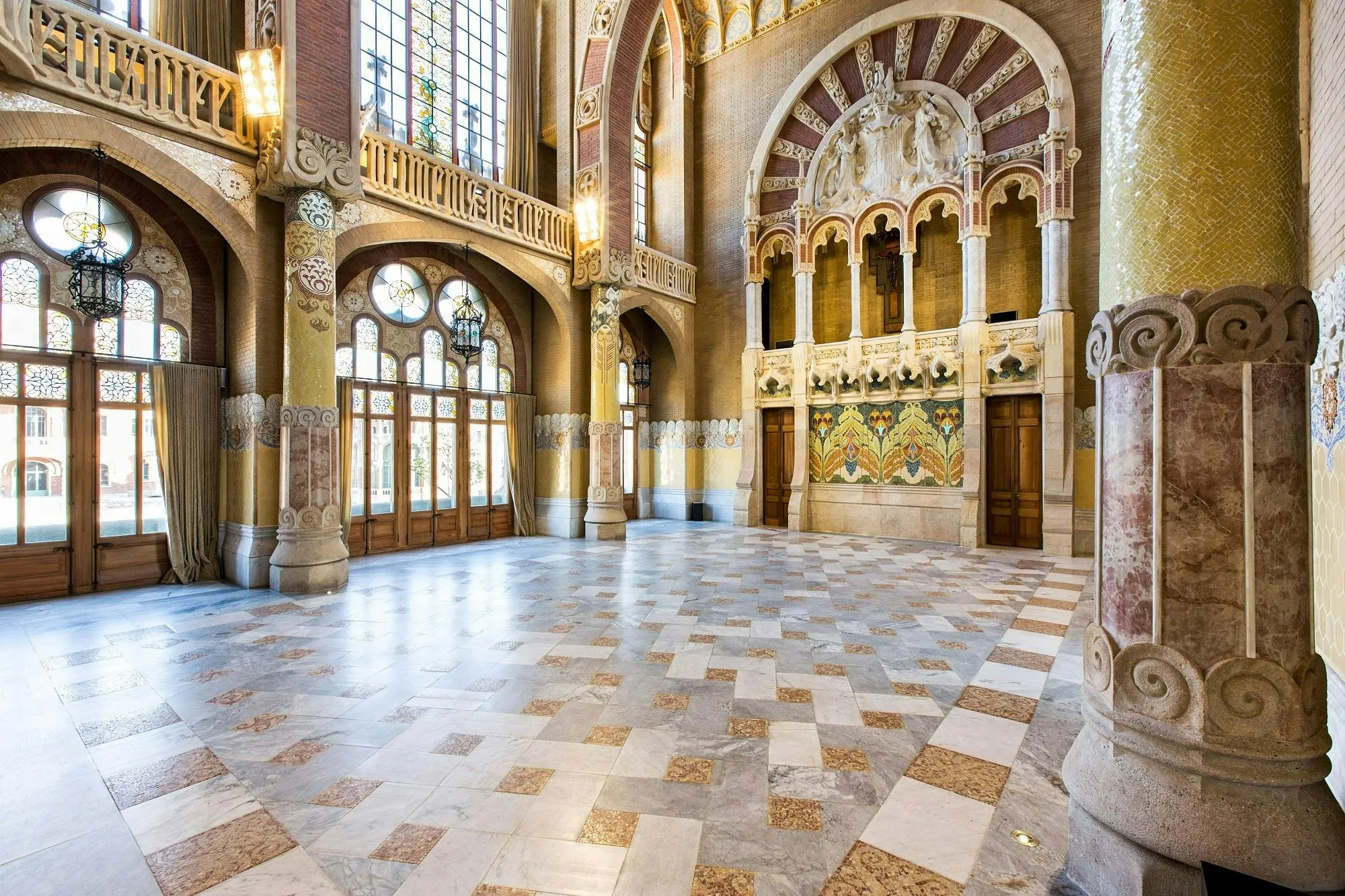
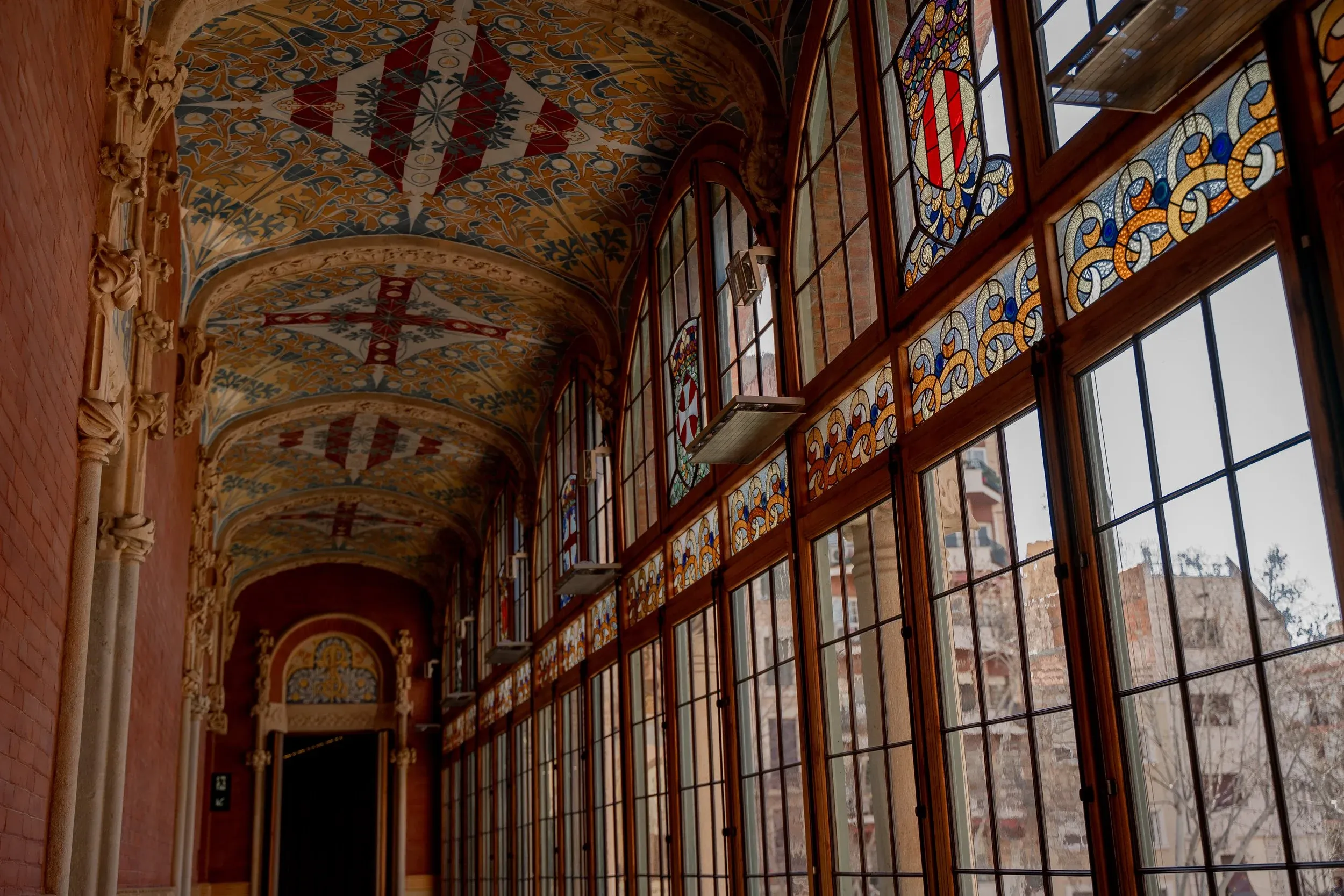
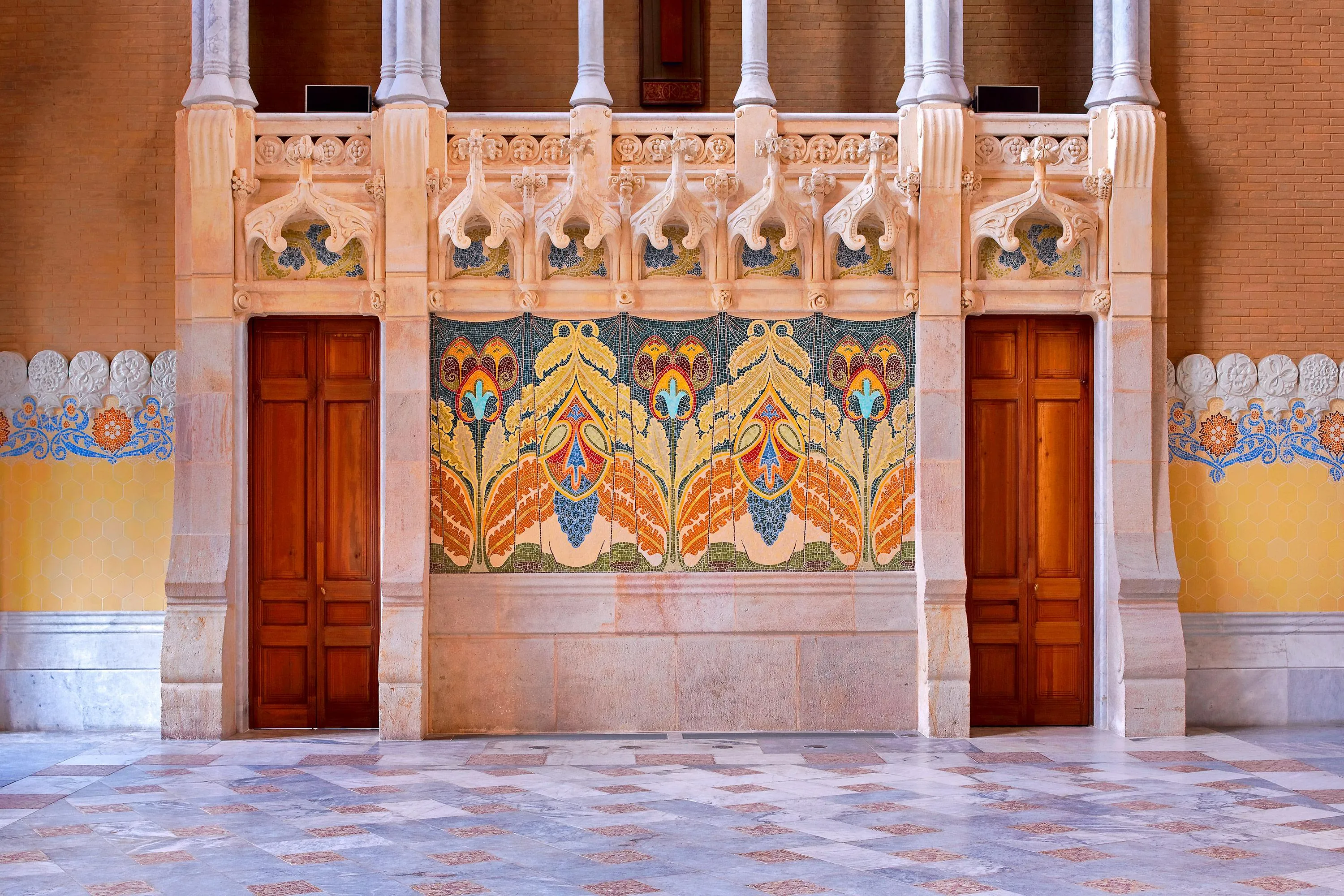
Once a pioneering hospital complex and now a UNESCO World Heritage Site, it combines stained glass, mosaics, sculpture, and landscaped courtyards in a way that still feels visionary today.
Visiting is easy, calm, and deeply rewarding for travelers who want beauty with substance..
Sant Pau Art Nouveau Site, Barcelona Visiting timetable
Opening times vary slightly by season, with daytime entry slots and occasional updates for events. Last admission is usually earlier than closing time, so it is worth arriving with enough time to enjoy the pavilions slowly.
Sant Pau Art Nouveau Site, Barcelona Closing Days
Sant Pau is generally open throughout most of the year, but it may close on select public holidays or for special institutional events. Always confirm the latest calendar before your visit.
Where is Located
Recinte Modernista de Sant Pau, C. de Sant Antoni Maria Claret 167, 08025 Barcelona, Spain
How to reach Sant Pau Art Nouveau Site
Sant Pau is in the Eixample district and very well connected by metro, bus, taxi, and walking routes from central Barcelona. The area is straightforward to navigate, with broad avenues and clear signage near the entrance.
By Train
If you arrive by train at Barcelona Sants or Passeig de Gràcia, connect to the metro and continue toward the Sant Pau | Dos de Maig area. From there, it is a short, pleasant walk through neighborhood streets lined with local bakeries, pharmacies, and everyday Barcelona life.
By Car
Driving is possible, but central traffic and parking can be slow at peak times. If you come by car, plan extra time and use nearby paid parking garages. Once parked, you can comfortably continue the rest of your day on foot or by metro.
By Bus
Several city bus lines stop close to the complex, making Sant Pau easy to combine with other landmarks in one day. Barcelona’s bus network is reliable, and stops around the site are usually well marked.
On Foot
From Sagrada Família, many visitors choose to walk along Avinguda de Gaudí, a lively pedestrian-friendly route with cafés and terrace tables. It is one of the nicest approaches to Sant Pau and gives you a real feel for the neighborhood.
Why visit Sant Pau in Barcelona
Because it is more than architecture: it is a complete urban vision where beauty was designed as part of healing, with sunlight, gardens, ceramics, and thoughtful spaces that still feel humane and inspiring today.
Sant Pau Art Nouveau Site, Barcelona
The Administration Pavilion
Start at the iconic Administration Pavilion, where sculpted stone, floral motifs, and luminous interiors reveal how Domènech i Montaner elevated a civic building into a symbolic gateway of hope, dignity, and public service.
Modernist Pavilions & Gardens
Wander through the restored pavilions and central gardens to understand the original hospital plan: separate buildings for different specialties, connected by paths and light, with nature intentionally integrated into daily care.
Underground Tunnels & Living History
The underground galleries are among the most fascinating elements of the site. They once allowed discreet movement of staff and services between pavilions and now help visitors grasp the scale, logic, and modernity of the complex.
Sant Pau at a glance
Quick answers before you plan your visit.
Book your Sant Pau visit
Choose standard entry or guided formats depending on your interests.
Pair Sant Pau with nearby landmarks to build an unforgettable Barcelona architecture day.